


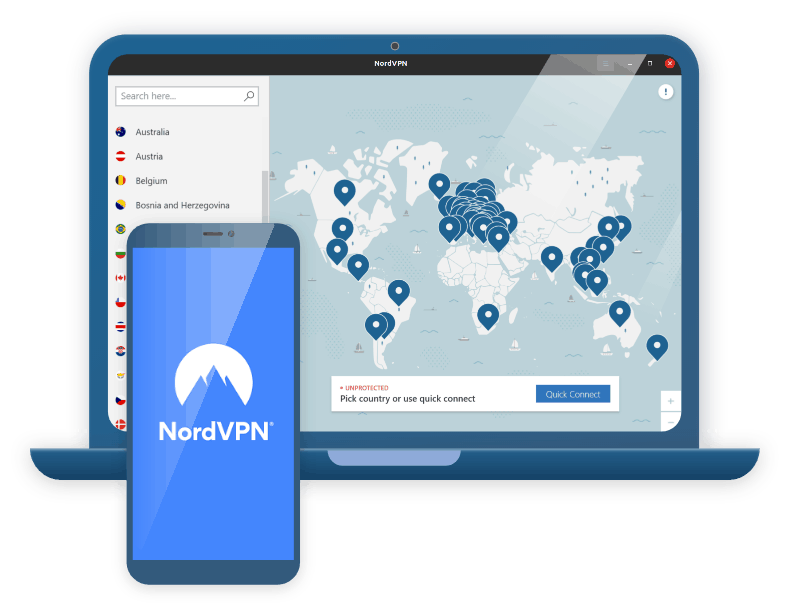

This nordvpn review looks at where NordVPN performs well, where it falls short, and who is most likely to benefit from using it. Reviews are only useful when they focus on real-world fit rather than feature lists alone. That is why this guide evaluates usability, value, workflow impact, and long-term practicality.
NordVPN is widely discussed because it promises to solve a real problem more efficiently than traditional methods. But marketing language does not tell you how the tool feels in daily use. A serious review should consider setup, learning curve, performance, reliability, integrations, support, and whether the product keeps delivering value after the first week.
What the Tool Does Well
- Strong brand recognition and broad appeal among privacy-focused users
- A user-friendly experience that lowers the barrier to using a VPN regularly
- Useful for people who want a practical layer of privacy on public or untrusted networks
- Well-suited to users who prefer a polished mainstream product
- Convenient for people who want security tools without a complicated setup process
These strengths explain why NordVPN has earned attention among users who need faster, cleaner, or more scalable workflows. The best products reduce friction instead of adding new layers of complexity. When a tool saves time consistently, adoption becomes much easier.
Potential Limitations
- Not every user needs a VPN subscription for everyday browsing
- Value depends heavily on your actual privacy, travel, or network usage needs
- Subscription decisions should be based on long-term use, not fear-based marketing
- Some users may want to compare it against other reputable VPN options before committing
- Performance perception can vary depending on location, device, and expectations
No tool is perfect for everyone. Even strong platforms can feel expensive, limited, or unnecessary if your use case is simple or your team already has a mature workflow. Understanding limitations early helps you avoid buyer regret.
Setup, Learning Curve, and Everyday Use
One of the biggest questions in any nordvpn review is whether the product feels intuitive after the initial setup. If NordVPN takes too long to configure or explain, the value proposition weakens quickly. Tools that succeed long term usually combine good onboarding with a clean daily experience.
You should also think about how the tool fits the rest of your stack. A product may look powerful in isolation but become less useful if it does not connect well with the apps you already rely on. Integration quality can be just as important as raw features.
Pricing and Overall Value
A fair nordvpn review should consider not only subscription cost but also time saved, errors prevented, and workflow improvements created by NordVPN. The cheapest option is not always the best one, especially when quality, support, or reliability affect real business outcomes. Value is the combination of cost, performance, and consistency.
Who Should Use It?
- Users who want a mainstream VPN with a simple onboarding experience
- People who travel or use shared and public networks frequently
- Users who value convenience and a recognizable product ecosystem
- Individuals who want an accessible privacy tool rather than a highly technical one
Performance in Everyday Scenarios
A good review also asks how the tool performs after the novelty wears off. In daily use, consistency matters more than a flashy first impression. Users want to know whether the product remains convenient under normal workloads, across common devices, and within the routines they already have. A tool that saves time once but adds friction later is not truly efficient.
Who Should Probably Skip It
Not every product is a fit for every user. Some buyers are better off choosing a simpler alternative, delaying purchase, or re-evaluating whether they need the category at all. The smartest buying decision is sometimes restraint, especially when free tools, existing workflows, or limited usage make the paid product unnecessary. Reviews should help users avoid bad-fit purchases, not just justify the tool.
Evaluation Checklist
- Does the tool solve a real and frequent problem for you?
- Will you use its strongest features often enough to justify the cost?
- Does it fit the rest of your workflow and devices?
- Can you explain clearly why this tool is better than your current approach?
- Will the value still feel strong after the first month of use?
If the answer to most of these questions is yes, the product is more likely to be worth adopting. If not, even a well-known tool may end up underused. Fit matters more than popularity.
Buying Advice
The best time to buy is when you can connect the product directly to a repeated need and expected time savings. That is a much stronger buying signal than curiosity alone. Treat reviews as decision support, not as pressure to buy quickly.
Common Mistakes Users Make
A repeated mistake is jumping between random fixes without confirming what actually changed after each step. That approach makes troubleshooting slower because you lose the ability to identify cause and effect. A better method is to change one variable at a time, test carefully, and keep the steps that produce measurable improvement.
Another mistake is assuming every issue has a dramatic single-cause answer. In real systems, performance and stability problems often come from several moderate factors working together. When you reduce each contributing factor, the overall experience improves much more than users expect.
How This Topic Affects Productivity
Technical friction is expensive because it interrupts focus, slows communication, and pushes users into reactive work habits. A slow startup, unstable browser, poor battery life, or the wrong collaboration platform may seem minor in isolation, but repeated delays compound across days and weeks. That is why solving these issues well has a direct productivity payoff.
For individual users, the benefit is less frustration and more dependable work time. For teams, the benefit is fewer interruptions, smoother onboarding, and less informal support burden between colleagues. Reliable tools create better habits and better outcomes.
Practical Maintenance Routine
- Review updates regularly instead of allowing several months of changes to accumulate.
- Remove apps, extensions, and services that no longer contribute real value.
- Check storage, startup behavior, and background load before problems become severe.
- Test core workflows after major updates or hardware changes.
- Document what works so future troubleshooting is faster and more consistent.
A simple routine prevents many recurring issues from becoming emergencies. The most efficient users are not those who never have problems, but those who catch and resolve them early. That is the long-term advantage of a disciplined maintenance mindset.
Real-World Example Scenario
Imagine a typical user facing this issue during a normal workweek. They are not trying to stress-test the device or learn advanced system administration; they simply need dependable performance so they can complete routine tasks on time. When a problem keeps returning, trust in the device or platform drops quickly. The practical value of this guide is that it replaces guesswork with a clearer process that can be repeated whenever similar symptoms appear again. That repeatability is what makes technical advice truly useful.
Decision Tips Before You Move On
Before you finish, decide which two or three actions from this guide will become part of your normal routine going forward. Readers get better long-term results when they turn the best steps into habits rather than treating every issue as a unique emergency. A small number of consistent actions usually creates more improvement than a long list of one-time fixes.
Final Checklist Before Choosing or Troubleshooting
- Clarify the main problem or workflow priority first.
- Test under realistic day-to-day conditions rather than ideal lab conditions.
- Review how the tool or fix affects the rest of your workflow.
- Keep the changes that improve reliability, not just appearance.
- Revisit the decision after a short real-world trial period.
This short checklist keeps the process grounded in practical outcomes. Whether you are solving a technical issue or comparing platforms, the best answer is the one that holds up during normal use. That is the standard worth optimizing for.
Long-Term Use Considerations
A purchase that feels smart on day one should still feel justified after several weeks of normal use. That means reviewing whether the tool becomes part of a real habit, whether it continues saving time, and whether the subscription cost still feels proportional to the benefit received. Long-term fit is what separates a genuinely useful product from one that looked exciting during evaluation.
Related Guides
Frequently Asked Questions
Is NordVPN good for beginners?
Yes. Its mainstream positioning and user-friendly experience make it approachable for many first-time VPN users.
Do most people really need a VPN?
Not always. The value depends on travel, network habits, privacy expectations, and how you use the internet.
What should I compare before buying?
Look at usability, trust, long-term value, device support, and whether a VPN actually fits your real use case.
Final Review Summary
Overall, this nordvpn review finds that NordVPN can be a strong fit when its strengths align with your workflow and expectations. It is most valuable when used intentionally rather than as a trend-driven purchase. Review your needs, test the core features that matter most, and decide based on practical usage rather than hype.
