

If you want to know how to clean mac storage, the goal is not just to make macOS feel faster for one day. You want a repeatable process that improves responsiveness, reduces clutter, and keeps the system easier to manage over time. This guide shows you how to do that without relying on risky tweaks or unnecessary software.
Many tutorials about how to clean mac storage skip the practical details that matter in real-world use. A device can look clean on the surface while still being slowed down by startup items, background services, duplicate files, poor storage habits, or apps that no longer provide value. That is why this article combines quick wins with deeper optimization steps.
Why Optimization Matters
Learning how to clean mac storage helps you protect performance, free up resources, and extend the useful life of your device. On macOS, even a few smart changes can improve boot speed, reduce freezing, cut down unnecessary CPU usage, and make everyday work smoother. That matters whether you use the device for business, development, communication, or general productivity.
- Frees space for updates and creative work
- Improves general responsiveness on storage-constrained devices
- Reduces clutter and makes file management easier
- Helps apps behave more predictably when free space is available
- Extends the practical life of the Mac
Before You Make Changes
Before you begin, back up important files and confirm you have administrator access if needed. You should also note your current performance issues so you can measure improvement after each change. Optimization works best when it is deliberate rather than random.
Step-by-Step Guide
Step 1: Check what is taking up space first
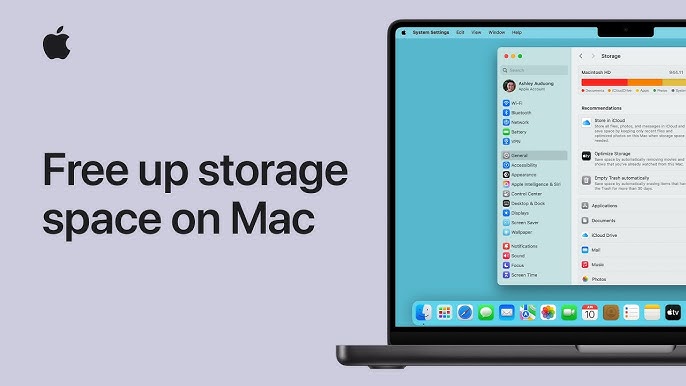
The best cleanup starts with visibility. Review storage categories so you know whether the main issue is applications, documents, media, local backups, or hidden system data. Without that visibility, users often delete small files while large storage hogs remain untouched. A targeted cleanup saves more space with much less effort.
Step 2: Remove large files and unused apps
Old downloads, duplicate files, installers, and applications you no longer use are among the easiest sources of recoverable space. If an app has not been used in months and does not support a current workflow, uninstalling it is usually a better choice than letting it consume storage and background resources. This also reduces clutter in launchers and system settings.
Step 3: Review media libraries and cloud settings
Photos, videos, and project files often grow silently until storage becomes tight. Move archived media to external storage or cloud storage when appropriate, and review whether optimized storage options are configured sensibly for your usage pattern. Large media collections are manageable if they are organized intentionally.
Step 4: Clear caches and old local files carefully
Caches can recover useful space, but they should be handled carefully and not treated as the first or only cleanup target. Focus on application-generated temporary data, old browser files, and local leftovers from tools you no longer use rather than blindly deleting unknown folders. Safe cleanup is always better than aggressive cleanup that creates instability.
Step 5: Empty the trash and review hidden clutter
Many users forget that deleted files still occupy storage until the trash is emptied and certain local remnants are cleaned. Recheck downloads, screenshots, desktop files, and archives because those areas often contain forgotten items that continue consuming meaningful space. Small cleanups across many locations can produce a strong combined result.
Step 6: Build a storage maintenance habit
Mac storage fills up again when cleanup is treated as an emergency-only task. Review large files regularly, watch download behavior, and decide where projects should live before they turn into clutter. Consistent organization keeps future cleanups easier and much faster.
Mistakes to Avoid
- Installing multiple cleanup tools that duplicate each other.
- Deleting unknown files without confirming what they do.
- Disabling core services just to chase short-term speed gains.
- Ignoring updates for drivers, apps, or the operating system.
- Letting storage or startup items grow unchecked again after cleanup.
Optimization should improve stability, not weaken it. Be cautious with registry edits, aggressive third-party cleaners, and any tweak that promises dramatic performance improvements without explaining side effects. Safe changes produce better long-term results.
How to Measure Improvement
One of the easiest mistakes in performance work is making changes without tracking results. Time your startup, app launch speed, file search responsiveness, browser behavior, and multitasking comfort before and after major adjustments. Measuring results helps you keep useful changes and undo tweaks that add complexity without meaningful gains.
When Hardware Upgrades Make Sense
Software optimization has limits. If the device is old, constrained by slow storage, or constantly running at the edge of its resources, upgrades may provide more value than endless cleanup. For many users, moving to faster storage or increasing memory creates a much bigger improvement than any collection of small system tweaks. Think of hardware upgrades as the final layer after you have already cleaned the software side.
Long-Term Maintenance Checklist
- Review startup items every month.
- Remove apps and extensions that are no longer useful.
- Keep at least a healthy amount of free storage available.
- Run updates regularly instead of postponing them indefinitely.
- Back up important files before major cleanup or changes.
- Repeat a light maintenance session before the system feels slow again.
The strongest performance gains usually come from consistency. A short recurring maintenance routine prevents most of the clutter that makes optimization feel overwhelming later. That is the real secret behind faster, cleaner systems.
Who Benefits Most From This Guide
Students, freelancers, office users, remote teams, and even developers all benefit from a device that behaves predictably. Whether you are trying to speed up boot time, keep creative apps responsive, or simply stop storage warnings from interrupting work, a structured approach saves time. The specific tasks may vary, but the core principles remain the same: remove waste, protect resources, and keep the system manageable.
Common Mistakes Users Make
A repeated mistake is jumping between random fixes without confirming what actually changed after each step. That approach makes troubleshooting slower because you lose the ability to identify cause and effect. A better method is to change one variable at a time, test carefully, and keep the steps that produce measurable improvement.
Another mistake is assuming every issue has a dramatic single-cause answer. In real systems, performance and stability problems often come from several moderate factors working together. When you reduce each contributing factor, the overall experience improves much more than users expect.
How This Topic Affects Productivity
Technical friction is expensive because it interrupts focus, slows communication, and pushes users into reactive work habits. A slow startup, unstable browser, poor battery life, or the wrong collaboration platform may seem minor in isolation, but repeated delays compound across days and weeks. That is why solving these issues well has a direct productivity payoff.
For individual users, the benefit is less frustration and more dependable work time. For teams, the benefit is fewer interruptions, smoother onboarding, and less informal support burden between colleagues. Reliable tools create better habits and better outcomes.
Practical Maintenance Routine
- Review updates regularly instead of allowing several months of changes to accumulate.
- Remove apps, extensions, and services that no longer contribute real value.
- Check storage, startup behavior, and background load before problems become severe.
- Test core workflows after major updates or hardware changes.
- Document what works so future troubleshooting is faster and more consistent.
A simple routine prevents many recurring issues from becoming emergencies. The most efficient users are not those who never have problems, but those who catch and resolve them early. That is the long-term advantage of a disciplined maintenance mindset.
Real-World Example Scenario
Imagine a typical user facing this issue during a normal workweek. They are not trying to stress-test the device or learn advanced system administration; they simply need dependable performance so they can complete routine tasks on time. When a problem keeps returning, trust in the device or platform drops quickly. The practical value of this guide is that it replaces guesswork with a clearer process that can be repeated whenever similar symptoms appear again. That repeatability is what makes technical advice truly useful.
Decision Tips Before You Move On
Before you finish, decide which two or three actions from this guide will become part of your normal routine going forward. Readers get better long-term results when they turn the best steps into habits rather than treating every issue as a unique emergency. A small number of consistent actions usually creates more improvement than a long list of one-time fixes.
Related Guides
Frequently Asked Questions
Why is my Mac storage full even after deleting files?
Local caches, media libraries, backups, downloads, and trash contents may still be consuming space.
Is it safe to delete cache files on a Mac?
Some cache cleanup is safe, but it should be done carefully and only when you understand what you are removing.
What is the fastest way to free up Mac storage?
Large files, unused apps, old downloads, and oversized media libraries usually deliver the biggest gains fastest.
Conclusion
Once you understand how to clean mac storage, you can keep macOS efficient with a simple maintenance routine instead of reacting only when performance becomes bad. Regular reviews of storage, startup behavior, background activity, and installed apps will protect speed and reliability much better than one-time cleanup sessions. Use the steps above as a system, not a one-off fix.