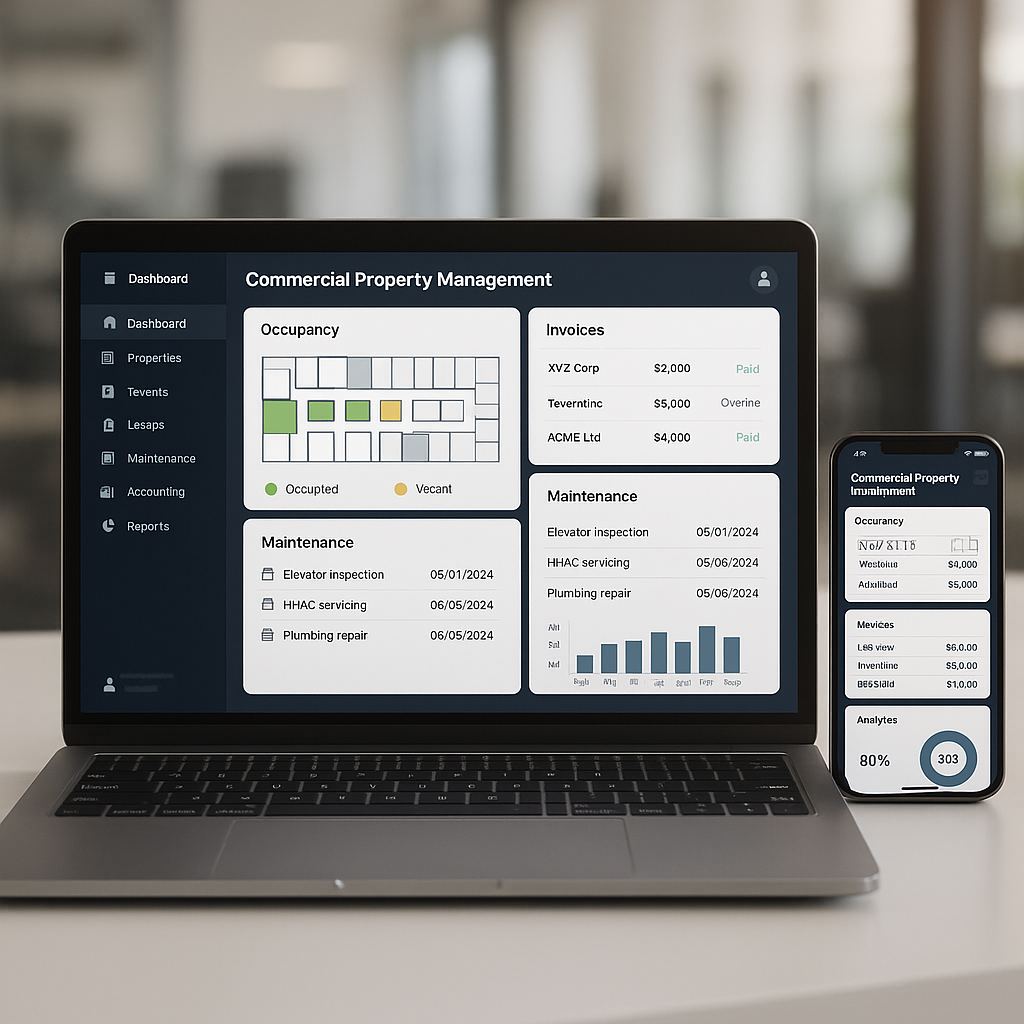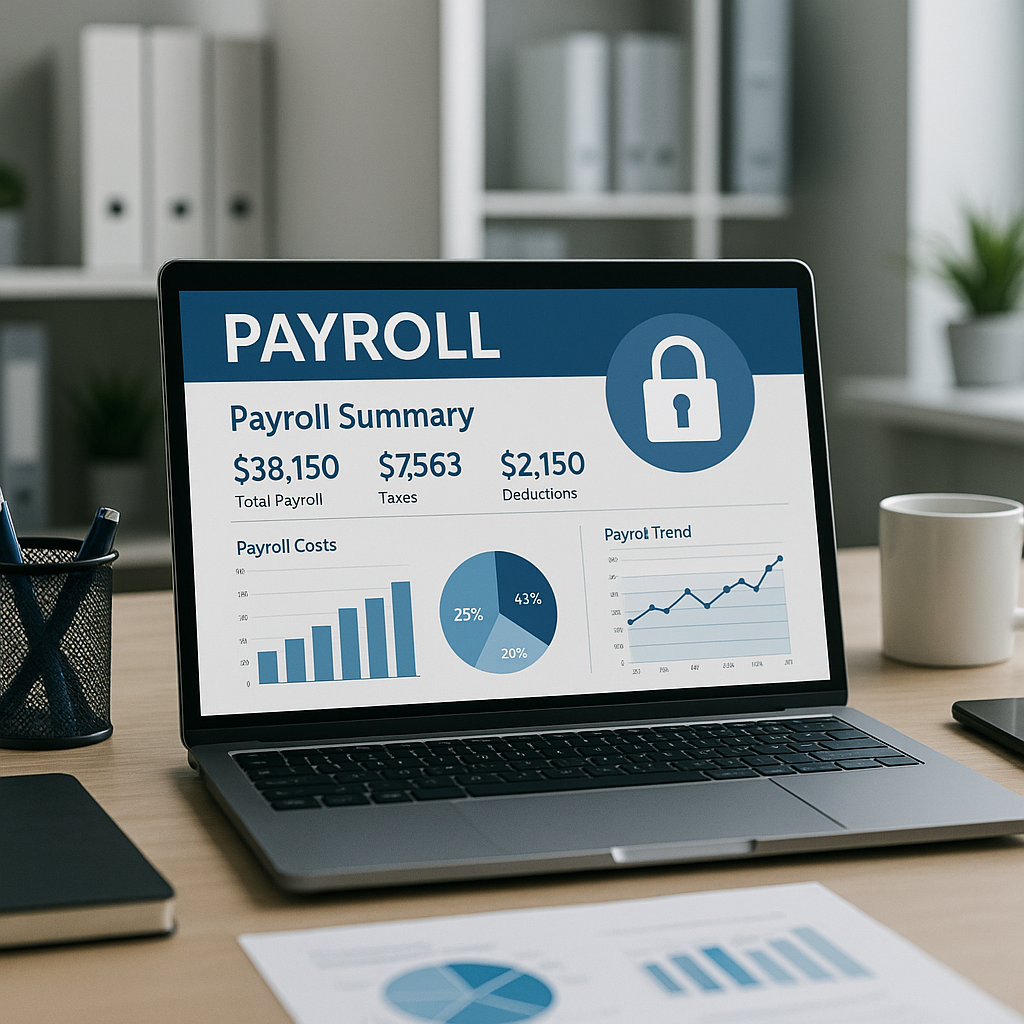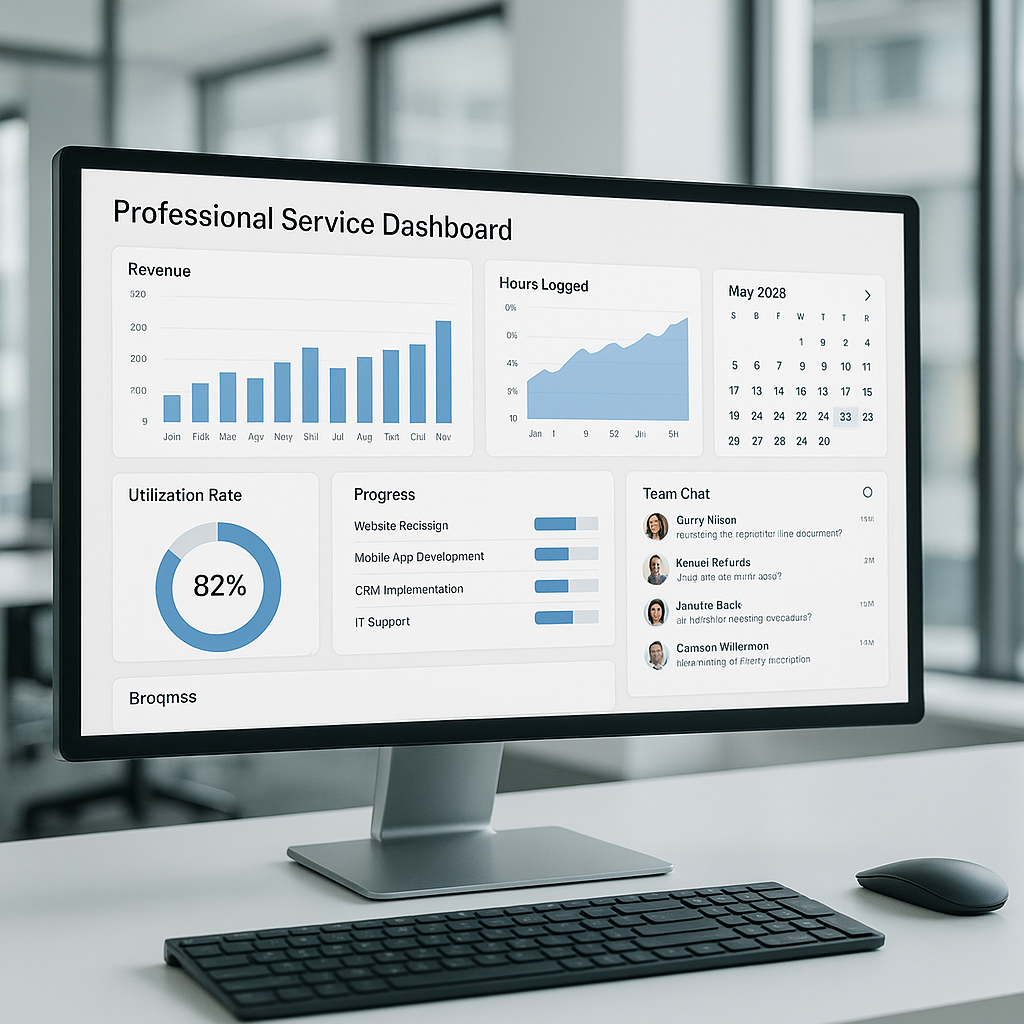



In today’s digital age, software is the backbone of corporate operations. Managing software effectively is crucial for business success and for management solutions at scale. This is where corporate software inspectors come into play.
Corporate software inspectors ensure software compliance and security. They are vital in identifying and mitigating vulnerabilities. Their role is more important than ever.
These professionals use tools like Flexera Corporate Software Inspector. They rely on Secunia Research for vulnerability intelligence. Their work involves regular inspections and audits.
Patch management is a key responsibility. It protects corporate networks from security threats. party patching involves coordinating with third-party vendors.
Corporate software inspectors collaborate with IT teams. They manage software assets and ensure updates are current. This collaboration is essential for operational efficiency.
They also contribute to security policy development. Their insights help shape procedures within organizations. This ensures comprehensive security coverage.
Staying informed about security threats is crucial. Inspectors must keep up with vulnerability trends. Their role evolves with technology advancements.
Corporate software inspectors are strategic assets. They reduce the risk of data breaches and cyber attacks. Their work is indispensable in today’s business environment.
Understanding the Corporate Software Inspector Role
Corporate software inspectors hold a critical position in the IT landscape. They ensure that all software within a corporation is compliant and secure. The role demands a high degree of vigilance and expertise.
Inspectors operate at the intersection of security and compliance. Their primary task is to identify software vulnerabilities. They assess and mitigate risks that threaten corporate operations.
This role also involves regular audits and inspections. Inspectors must examine software usage across the organization. They ensure all software adheres to compliance standards.
The corporate software inspector must also engage with various teams. Interdepartmental collaboration is necessary to ensure proper software management. This requires strong communication skills and strategic thinking.
To succeed, inspectors use specialized tools and technologies. Some common tools include Flexera Corporate Software Inspector and System Center solutions. These facilitate comprehensive management solutions for organizations.
Key Functions of Corporate Software Inspectors:
- Vulnerability Assessment: Identifying risks and weaknesses in software.
- Patch Management: Implementing software updates to secure systems.
- Compliance Monitoring: Ensuring adherence to legal and regulatory standards.
The role of a corporate software inspector is dynamic. They must adapt to ever-changing technology and threat landscapes. Inspectors are crucial in guiding an organization’s software strategy.
Moreover, inspectors add significant value during security breaches. They assist in incident response and recovery efforts. Their expertise is essential for minimizing damage.

Corporate software inspectors must stay informed about industry trends. Ongoing training and certifications keep their skills current. This helps them tackle complex software challenges effectively.
In sum, corporate software inspectors are vital for maintaining software integrity. Their vigilance and expertise help secure and optimize corporate software. By doing so, they protect against potential disruptions and threats.
Key Responsibilities of Corporate Software Inspectors
Corporate software inspectors have a wide array of responsibilities. Ensuring software security is one of their primary duties. This includes overseeing patch management and applying critical updates.
They play a pivotal role in vulnerability assessment processes. Inspectors must identify weak points in software infrastructure. Then, they provide corrective action plans to address these issues.
Ensuring compliance with industry standards is also crucial. Inspectors verify that software aligns with legal and regulatory requirements. This responsibility requires a precise understanding of compliance frameworks.
Inspectors manage relationships with third-party vendors. This involves coordinating party patching activities. Effective communication here helps maintain software security and functionality.
Another key responsibility is asset management. Inspectors track software assets to ensure license compliance. Managing software inventories is essential to avoid unnecessary costs.
Here are some typical duties of corporate software inspectors:
- Vulnerability Scanning: Regular assessment of software for potential threats.
- Patch Implementation: Executing necessary updates across all systems.
- Compliance Checks: Ensuring all software meets legal standards.
- Inventory Management: Monitoring and updating software assets.

Corporate software inspectors are also involved in threat intelligence. They gather data from various sources to assess security risks. This intelligence is critical for preemptive threat mitigation.
Cross-departmental collaboration is another cornerstone of their work. Inspectors coordinate with IT and security teams to align strategies. This collaboration ensures a unified approach to software management.
Additionally, they are essential during incident response situations. Their expertise supports quick containment and resolution. Inspectors provide valuable insights for future prevention strategies.
Overall, the responsibilities of corporate software inspectors are varied and extensive. Their efforts sustain the integrity and security of corporate IT environments. By doing so, they support business continuity and protect valuable assets.
The Importance of Patch Management and Party Patching
Patch management is a cornerstone of software security. Regular updates prevent potential exploits by fixing vulnerabilities. Corporate software inspectors ensure patches are applied promptly across systems.
Effective patch management guards against cybersecurity threats. Without timely updates, systems are vulnerable to attacks. Inspectors work diligently to maintain a robust security posture.
party patching involves dealing with third-party software. Managing these patches is crucial as vulnerabilities can originate from external apps. Inspectors coordinate with vendors to ensure timely updates.
Ignoring party patching can lead to serious security issues. Third-party software often integrates deeply into systems. Hence, vulnerabilities in these can have widespread implications.
The process involves several critical tasks:
- Identify Needs: Determine which systems and software require patches.
- Schedule Updates: Plan and coordinate updates with minimal disruption.
- Validate Updates: Confirm that patches have been successfully applied.
- Monitor Systems: Ensure patches are effective and systems remain secure.

by EqualStock (https://unsplash.com/@equalstock)
Inspectors face challenges with patching in large organizations. The complexity and volume of systems require meticulous planning. Automation tools often assist in the consistent application of patches.
Another aspect is maintaining compliance. Various industries demand adherence to security standards. Effective patch management supports meeting these regulatory requirements.
Continuous monitoring is vital post-patching. This involves observing the system’s behavior to detect anomalies. Prompt action ensures any emerging threats are managed efficiently.
Patch management should be proactive rather than reactive. Inspectors stay informed about emerging vulnerabilities. Early information helps prioritize patches and allocate resources effectively.
Ultimately, patch management is more than mere updates. It forms a key element of an organization’s security strategy. Corporate software inspectors use this to safeguard data and ensure operational continuity.
Tools and Solutions: Flexera Corporate Software Inspector, Secunia Research, and More
Corporate software inspectors employ various tools to ensure security and compliance. Among these, Flexera Corporate Software Inspector plays a pivotal role. It offers robust features for managing software vulnerabilities and ensuring patch compliance.
Flexera helps in the proactive identification of vulnerabilities. It provides detailed insights into potential risks and remediation strategies. Inspectors rely on its comprehensive reports for efficient management.
Another essential tool is Secunia Research. This tool aids in vulnerability intelligence and assessment. It offers timely alerts on new vulnerabilities, enabling fast response from inspectors.
Secunia Research integrates well with existing security frameworks. It ensures seamless operations, reducing downtime. Its detailed analytics provide valuable guidance for corporate security teams.
These tools help inspectors in various key activities:
- Risk Assessment: Evaluate the potential impact of vulnerabilities.
- Patch Deployment: Facilitate timely updates to mitigate risks.
- Compliance Reporting: Ensure adherence to industry standards.
- Vulnerability Tracking: Monitor and track issues until resolution.
Inspectors use these tools to streamline management processes. They provide a structured approach to handling vulnerabilities and updates. This organized method enhances overall organizational security.

Many organizations combine these tools with other solutions. System Center, for example, is often used alongside Flexera as part of broader management solutions. This combination supports large-scale deployment and management.
The market offers a variety of software inspection tools. While Flexera and Secunia dominate, others also provide viable solutions. Each tool offers unique features tailored to specific needs.
Inspectors must select tools that align with their organization’s requirements. Evaluating features like ease of use, integration, and support are crucial. Choosing the right tools can significantly enhance inspection effectiveness.
Collaboration between software vendors and inspectors is vital. Vendors continuously update their tools to address emerging threats. Inspectors need to stay informed about these enhancements.

Ultimately, using the right set of tools boosts efficiency. It allows inspectors to focus on strategic initiatives. With these resources, they can ensure the organization’s systems remain secure and compliant.
Managing Software Assets and Compliance
Managing software assets is crucial for maintaining organizational compliance and security. Corporate software inspectors play a key role in this process. They ensure that all software assets are accounted for and properly managed. Each software asset is tracked to ensure license compliance and accountability.
Software asset management involves tracking and optimizing software usage. Inspectors help in identifying unused or underutilized software, leading to cost savings. This process requires accurate inventory tracking.
Compliance is a major aspect of software asset management. Inspectors work to ensure that organizations meet regulatory requirements. They implement policies to prevent unauthorized software use.
Regular audits are essential for compliance. These audits help identify any discrepancies and rectify them. Inspectors organize periodic checks to maintain compliance status.
Effective software asset management relies on several key practices:
- Inventory Management: Maintain a comprehensive list of all software assets.
- License Compliance: Ensure all software usage is within licensing terms.
- Cost Optimization: Identify opportunities for reducing software-related expenses.
- Risk Mitigation: Minimize vulnerabilities through careful software management.

by Markus Spiske (https://unsplash.com/@markusspiske)
Tools that support software asset management are vital for inspectors. These tools provide the data and analytics needed for informed decision-making. They help in tracking usage, licenses, and agreements.
In addition to compliance, inspectors aim to improve operational efficiency. By optimizing software usage, they contribute to smoother workflows. This effort not only enhances security but also boosts productivity.
Managing software assets effectively empowers organizations to make informed choices. Inspectors provide critical oversight and guidance, aligning software strategies with business goals. They ensure that software environments are both secure and compliant.
Vulnerability Intelligence: Staying Ahead of Threats
Vulnerability intelligence is a cornerstone of modern cybersecurity. It involves gathering data on potential security threats. Corporate software inspectors are pivotal in analyzing this information. Sources like Secunia Research inform this vulnerability intelligence and help prioritize action.
Inspectors must stay informed about the latest security vulnerabilities. They rely on real-time data to protect their organizations. This constant vigilance helps in anticipating and mitigating risks.
Leveraging vulnerability intelligence enables proactive security measures. Companies can reduce the risk of data breaches. Inspectors use this intelligence to prioritize security efforts.
Several sources contribute to effective vulnerability intelligence. Inspectors often utilize:
- Threat Reports: Regularly updated reports on emerging threats.
- Security Bulletins: Official notices regarding known vulnerabilities.
- Peer Collaboration: Sharing insights with other organizations and industry experts.

by Compagnons (https://unsplash.com/@sigmund)
Technology plays a vital role in gathering and analyzing vulnerability data. Tools help automate the process, providing timely intelligence. Inspectors use these tools to handle large volumes of data efficiently.
Part of an inspector’s job is to translate data into action. They devise strategies based on insights. Through thorough analysis, they implement changes to enhance security posture.
Incorporating vulnerability intelligence in security protocols enhances resilience. It prepares companies for potential attacks. Inspectors ensure that intelligence is integrated into daily operations.
Ultimately, staying ahead of threats is not just about technology. It requires a strategic approach that aligns with organizational goals. Inspectors guide their teams in fostering a culture of proactive security.
Integrating with System Center and Management Solutions
System Center is a trusted toolset for managing IT infrastructure. It simplifies software deployment and updates. Corporate software inspectors often integrate with System Center for optimal results.
Efficient management solutions are crucial in maintaining software integrity. Inspectors ensure seamless integration of these solutions. Their goal is to streamline processes and reduce manual intervention.
Integrating System Center offers several benefits, including:
- Centralized Management: Simplifies the control of systems and applications.
- Automated Updates: Ensures all software remains up-to-date.
- Scalability: Supports the growth of enterprise needs.

by Esten Erbol (https://unsplash.com/@esten)
Inspectors rely on these tools to manage large networks. They can efficiently deploy software updates across diverse systems. This approach reduces the likelihood of vulnerabilities due to outdated software.
Management solutions provide valuable insights into system performance. Inspectors analyze this data to optimize software efficiency. These insights help in making informed decisions, enhancing overall security.
Collaboration with IT departments is essential for success. Inspectors work closely with teams to ensure smooth integration. They develop strategies that align with organizational objectives.
The integration of management solutions must be adaptable. Flexibility allows companies to respond swiftly to new challenges. Inspectors guide companies in leveraging tools for maximum advantage.
Ultimately, integrating System Center with management solutions fosters a robust IT environment. It empowers organizations to maintain a strong security posture. Inspectors play a key role in achieving this integration efficiently.
Special Considerations: Red Hat Enterprise Linux and Other Platforms
Red Hat Enterprise Linux (RHEL) is widely used in corporate environments. It’s known for its stability and robust performance. However, it needs regular inspections to maintain security.
Inspectors face unique challenges with RHEL and similar platforms. These systems require constant updates and careful monitoring. This attention ensures that vulnerabilities are promptly addressed.

by Vitaly Gariev (https://unsplash.com/@silverkblack)
Corporate software inspectors must handle various operating systems. Each platform presents distinct requirements and security protocols. These differences necessitate tailored approaches to vulnerability management.
Key considerations for managing RHEL include:
- Regular Updates: Keeps the system secure and up-to-date.
- Security Patches: Applies latest patches to cover known vulnerabilities.
- Compliance Checks: Ensures systems meet industry and regulatory standards.
Managing diverse platforms involves collaboration with platform-specific experts. Inspectors often rely on partnerships with internal Linux teams. Their aim is to create comprehensive security strategies.
Adapting to multiple platforms highlights the need for flexibility. Inspectors must stay informed about platform-specific updates. This knowledge is essential for protecting all areas of a corporate network.
Ultimately, managing diverse platforms like RHEL and others enhances organizational resilience. By addressing platform-specific challenges, inspectors help maintain a secure and efficient IT infrastructure.
Collaboration and Communication Across Departments
Effective software inspection requires collaboration across various departments. Each department plays a crucial role in maintaining security and compliance. This unified approach enhances overall software management.
Inter-departmental communication is vital for addressing vulnerabilities quickly. When teams work together, they can share insights and resources. This cooperation leads to more efficient problem-solving.
Corporate software inspectors often liaise with IT, legal, and compliance teams. Their goal is to ensure everyone understands potential risks. Through regular updates and meetings, inspectors help maintain a secure environment.
Key Strategies for Effective Collaboration:
- Regular Meetings: Facilitate open communication and knowledge sharing.
- Clear Reporting Structures: Define roles and responsibilities to streamline responses.
- Shared Tools and Platforms: Use common systems for easy data access and updates.
These strategies foster an environment where communication thrives. They help prevent silos, making it easier to address software issues. By integrating efforts, inspectors and department teams build a cohesive security strategy.
Ultimately, effective collaboration ensures that everyone is on the same page. It creates a culture of awareness and proactivity. This collaborative mindset is essential for protecting corporate assets.
Training, Certification, and Evolving Skills
The landscape of corporate software inspection is ever-changing. Keeping skills current is crucial for staying effective. Training and certification provide essential updates and techniques.
Continuous education is not just a recommendation; it’s a necessity. By attending workshops and courses, inspectors stay up-to-date with the latest trends. This proactive approach helps them handle new vulnerabilities.
Certifications validate an inspector’s knowledge and expertise. They offer recognition of proficiency in software security. Many organizations prioritize hiring certified professionals for their teams.
Suggested Certification Areas:
- Vulnerability Management
- Patch Management
- Software Asset Management
- Cybersecurity Awareness
Investing in skill development is beneficial for both individuals and companies. It ensures inspectors are equipped to tackle any challenge. Organizations gain confidence in their employees’ abilities to safeguard their assets.
As technology evolves, so must the skills of corporate software inspectors. Embracing continuous learning keeps them relevant and effective. This ongoing commitment to growth enhances their value within organizations.
The Future of Corporate Software Inspectors
The role of corporate software inspectors is poised for transformation. Technology advances and evolving threats drive this change. Inspectors will need to adapt to remain effective and relevant.
AI and automation technologies are becoming significant. These tools enhance efficiency by automating routine inspections. This shift allows inspectors to focus on complex analysis and strategic tasks.
Future inspectors will likely integrate more with cybersecurity teams. As threats grow more sophisticated, collaboration is essential. Bridging gaps between departments strengthens an organization’s defensive posture.
Emerging Trends for Future Inspectors:
- AI-driven Security Tools
- Enhanced Collaboration with Cybersecurity Teams
- Focus on Data Privacy and Compliance
- Real-time Threat Intelligence
Emerging trends will influence how inspectors operate. They will need skills in real-time data analysis and machine learning. Additionally, a focus on data privacy will become crucial.

by RUT MIIT (https://unsplash.com/@rutmiit)
As the digital landscape evolves, so do the challenges faced by corporate software inspectors. Adapting to these changes will ensure their continued importance. With the right tools and strategies, they will remain a key asset in safeguarding digital environments.
Conclusion: The Strategic Value of Corporate Software Inspectors
Corporate software inspectors are vital in today’s tech-driven world. They safeguard businesses by ensuring software compliance and security. Their role extends beyond inspection to strategic risk management.
Effective inspectors help organizations avoid costly breaches. By managing software assets well, they improve operational efficiency. Their work often leads to long-term savings and stability.
As technology continues to evolve, so will the role of inspectors. They are indispensable for maintaining secure digital environments. Investing in skilled inspectors ensures that organizations stay competitive and secure. Their strategic value cannot be overstated in the modern business landscape.
Q&A
Question: What does a corporate software inspector do, and why is the role critical today?
Short answer: A corporate software inspector safeguards an organization’s software environment by ensuring compliance and security. They identify and mitigate vulnerabilities, oversee audits and inspections, manage patching activities, collaborate with IT and other departments, and help shape security policies and procedures. By reducing the risk of breaches and downtime and improving operational efficiency, they function as strategic assets in a threat-filled, fast-evolving digital landscape.
Question: What is patch management and “party” (third-party) patching, and why are they essential?
Short answer: Patch management is the systematic application of software updates to fix vulnerabilities and keep systems secure. “Party patching” refers to coordinating updates for third-party applications with external vendors. Inspectors drive a disciplined process—identifying patch needs, scheduling updates to minimize disruption, validating successful deployment, and monitoring post-patch health. Timely patching is vital to prevent exploits, meet compliance obligations, and maintain resilience, especially in large environments where automation helps manage scale and complexity.
Question: Which tools support software inspectors, and how do Flexera Corporate Software Inspector, Secunia Research, and System Center work together?
Short answer: Inspectors use tools like Flexera Corporate Software Inspector for proactive vulnerability identification, patch compliance, and reporting, and Secunia Research for timely vulnerability intelligence and analytics. Many organizations pair these with System Center to centralize management and automate large-scale software deployment and updates. Together, they enable risk assessment, patch deployment, compliance reporting, and tracking vulnerabilities through resolution, streamlining operations and strengthening security posture.
Question: How do inspectors manage software assets and ensure compliance?
Short answer: They maintain accurate software inventories, verify license compliance, and optimize usage to control costs and reduce risk. Regular audits detect discrepancies, while policies curb unauthorized software use. With data and analytics from asset management tools—and collaboration with legal, compliance, and IT teams—inspectors align software practices with regulations and business goals, improving both security and operational efficiency.
Question: Are there special considerations for platforms like Red Hat Enterprise Linux (RHEL) and other operating systems?
Short answer: Yes. Each platform has distinct update practices, security requirements, and compliance considerations. For RHEL and similar systems, inspectors emphasize regular updates, prompt application of security patches, and ongoing compliance checks. They often partner with platform-specific experts (e.g., internal Linux teams) and adapt processes to platform nuances, ensuring consistent protection across a diverse corporate environment.
Q&A
Question: Why is the corporate software inspector role strategically important today?
Short answer: Inspectors sit at the intersection of security and compliance, continuously auditing software environments, identifying vulnerabilities, enforcing standards, and shaping security policies. By coordinating updates, guiding risk mitigation, and collaborating across departments, they lower breach risk, prevent downtime, and improve operational efficiency—making them indispensable in a rapidly evolving threat landscape.
Question: What is vulnerability intelligence, and how do inspectors use it to stay ahead of threats?
Short answer: Vulnerability intelligence is curated, timely data about emerging and known software flaws. Inspectors leverage sources like Secunia Research, plus threat reports and security bulletins, to prioritize risks, plan proactive defenses, and integrate insights into daily operations. This enables smarter patching, faster response, and a consistently stronger security posture.
Question: How do inspectors manage patching at scale, including “party” (third-party) patching?
Short answer: They run a disciplined lifecycle: identify what needs updating, schedule with minimal disruption, validate deployment success, and monitor systems post-patch. For third-party apps, they coordinate closely with vendors to ensure timely fixes. In large environments, automation helps overcome complexity and volume, supports compliance requirements, and reduces exposure windows.
Question: Which tools are commonly used, and how do Flexera Corporate Software Inspector, Secunia Research, and System Center complement one another?
Short answer: Flexera Corporate Software Inspector helps find vulnerabilities, enforce patch compliance, and produce actionable reports. Secunia Research provides the vulnerability intelligence and alerts that inform prioritization. Many organizations pair these with System Center to centralize management and automate broad software deployment and updates. Together they enable risk assessment, patch rollout, compliance reporting, and end‑to‑end vulnerability tracking.
Question: How do inspectors ensure effective software asset management and regulatory compliance?
Short answer: They maintain accurate software inventories, verify license compliance, and optimize utilization to reduce cost and risk. Regular audits uncover discrepancies, while policies curb unauthorized software use. Using asset management tools and collaborating with IT, legal, and compliance teams, inspectors align software practices with regulations and business goals to enhance both security and efficiency.